rx-sexualhealth.com

Trojan Original Latex Condoms Review

Updated 2026-10-03 · 2 min read · Sources linked in the text

Our verdict

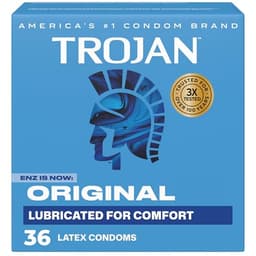
Trojan Original Latex Condoms product photo

Trojan Original Latex Condoms

Grade AStrong evidence

Trojan Original is a standard lubricated latex condom at a low price per condom. Latex is the most common condom material, and consistent condom use sharply reduces HIV and other STI risk, so it rates highly here. It is not suitable for anyone with a latex allergy, and it cannot be used with oil-based lubricants.

$17.77 ($0.49 / count)

Amazon price as of Oct 3

Best for

  • Everyday protection against pregnancy and sexually transmitted infections

Skip it if

  • You or a partner have a latex allergy (choose polyisoprene or polyurethane)
  • You plan to use an oil-based lubricant, which can damage latex
Trojan Original Latex Condoms key facts
Active ingredientNone (natural rubber latex, lubricated)
FormMale latex condom (FDA Class II device, 21 CFR 884.5300)
OnsetImmediate
How to useOne new condom for each act of sex; check the expiry date
AgesAdults
Exact itemTrojan Original lubricated latex condoms, 36 count
Price$17.77 ($0.49 / count) (amazon price as of oct 3)

How we got 4.5

4.5
Evidence grade A (strong evidence). Consistent condom use reduced HIV incidence by about 80% in a Cochrane review of serodiscordant couples, an estimate for male condoms in general rather than latex specifically (PMID 11869658), and prospective studies link condom use to protection against chlamydia, gonorrhea, herpes simplex virus type 2 and syphilis (PMID 15356939).
±0.0
Practical adjustment. Inexpensive standard latex condom; not suitable for people with latex allergy.

Scores are calculated, not hand-picked: evidence first, with a small adjustment for side effects, convenience, and value. How we rate

What Trojan Original is

Trojan Original is a lubricated male condom made of natural rubber latex; its Amazon listing title (viewed October 3, 2026) describes it as "Trojan Original Latex Lubricated Condoms". FDA regulates latex condoms as Class II devices under 21 CFR 884.5300, product code HIS, reviewed through the 510(k) process (FDA product classification HIS). Latex condoms must follow FDA's special-controls labeling: an expiration date no later than five years after packaging, and the bold caution "This Product Contains Natural Rubber Latex Which May Cause Allergic Reactions" (FDA latex condom labeling guidance).

Evidence for latex condoms

  • HIV. A Cochrane review of cohort studies of couples in which one partner had HIV found that consistent condom use reduced HIV incidence by about 80%. The authors note that the estimate applies to male condoms in general rather than latex specifically, because most studies did not record the type PMID: 11869658.
  • Other STIs. Prospective studies link condom use to significant protection against chlamydia, gonorrhea, genital herpes (HSV-2) and syphilis PMID: 15356939. FDA's recommended labeling says latex condoms are less effective against HPV and herpes, which can spread through skin the condom does not cover (FDA latex condom labeling guidance).
  • Pregnancy. CDC lists a typical-use failure rate of 13% for external condoms (CDC: contraception and birth control methods).

No study of Trojan Original as a brand was found; the A grade reflects the class-level evidence for condoms.

Who Trojan Original suits

Choose Trojan Original for everyday protection against pregnancy and STIs when neither partner is allergic to latex. Use a water- or silicone-based lubricant if you add one: CDC says oil-based lubricants can weaken latex and should not be used (CDC STI treatment guidelines: primary prevention).

Choose SKYN Original if either partner has a latex allergy, or Trojan Ultra Thin for a thinner latex option. Our guide to latex-free and latex condoms compares the materials in more detail.

Pros

  • Natural rubber latex, the most common condom material
  • Consistent condom use cut HIV incidence by about 80% in a Cochrane review (male condoms in general)
  • Inexpensive per condom

Cons

  • Not suitable for anyone with a latex allergy
  • Oil-based lubricants can damage latex
  • Like all condoms, less protective against infections spread by skin contact, such as herpes and HPV

Trojan Original Latex Condoms

Trojan Original lubricated latex condoms, 36 count

How it compares

ProductScoreOnsetBest for
Trojan Original Latex Condoms (this review)4.5 · AImmediateEveryday protection against pregnancy and sexually transmitted infections
SKYN Original Non-Latex Condoms4.0 · BImmediatePeople with a latex allergy or sensitivity
Trojan Ultra Thin Latex Condoms4.5 · AImmediatePeople who find standard condoms reduce sensation and want a thinner latex option

Frequently asked questions

Are Trojan condoms FDA approved?

Latex condoms are FDA Class II medical devices (21 CFR 884.5300, product code HIS) that go through FDA's 510(k) premarket review, so the accurate term is cleared rather than approved. FDA's labeling rules require latex condoms to carry an expiration date and a latex allergy caution.

Can I use Trojan Original with a latex allergy?

No. It is made of natural rubber latex, and FDA requires latex condoms to state that the product contains natural rubber latex which may cause allergic reactions. Choose a polyisoprene or polyurethane condom instead.

What lubricant can I use with Trojan condoms?

Water-based or silicone-based lubricants. CDC says oil-based lubricants can weaken latex and should not be used, and FDA's recommended latex condom labeling warns against petroleum jelly, mineral oil, vegetable oil and cold cream.

How long do latex condoms last?

FDA requires the expiration date on latex condoms to be no later than five years after packaging. Store them in a cool, dry place out of direct sunlight, and do not use one that is sticky, brittle or damaged.

Sources

Advertising disclosure: We earn a commission when you buy through links on this page, at no extra cost to you. It never changes our rankings. See our full disclosure.